
Have you recently needed to remove a tree? We answer the question: when do I need tree removal? Find out if tree removal is right for you.
How Do You Decide When to Safely Remove a Tree?
You can look for many telltale signs when assessing whether or not your tree’s time has come to be removed. Regular pruning is essential for tree care or to save an unhealthy tree.
However, you cannot escape diseases or infections, so you must know what to look for.
When You Need to Call an Arborist
Tree owners and homeowners are typically responsible for any injury or severe damage your tree experiences. It is helpful to know the signs of damage and infection so that local arborists can adequately remove it.
Learning to study your surrounding location, large branches, root systems and main trunk to assess its health or to see whether you possess dead trees will be vital in the long run.
Here are the red flags you need to look for to ensure it is time for your infected or dying trees to be pruned or removed by a professional.
There Are Signs Of Infection
Signs of infection include cracks or splits in the tree bark, discoloured or misshapen leaves, crown dieback, growth of fungi and soft, crumbling wood, damaging your tree’s health.
Attracting unwanted pests of an invasive species and other wildlife, woodpeckers or emergence holes, or feeding galleries are other factors of infection that you should pay immediate attention to. Infection can eventually affect the overall structure of the tree.
Dead Branches In The Tree’s Crown
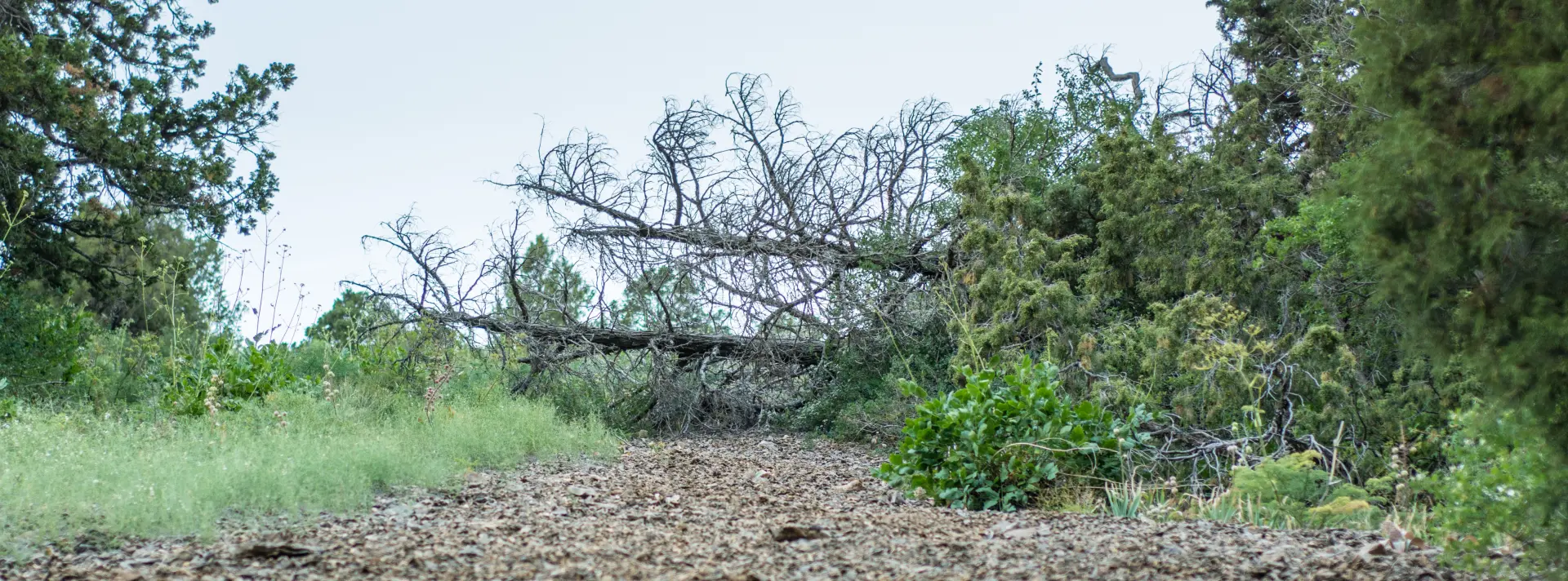
Dead branches are sometimes known as “widow-makers”, as they can fall any time for no clear reason, injure any person, or damage any other structures below. It is sad to see it go. However, if about 50% or more of your tree is damaged, dead or dying, it needs to be removed for health and safety, especially in public natural areas.
Your Tree Isn’t Growing Well
Compare your tree’s health and vigour with nearby trees or plants. If you find discoloured foliage, stunted growth in living buds or thin leaf cover, these are signs your tree is having issues that certified arborists and professionals should diagnose at a tree removal service.
Tree Trunk Is Compromised
Finding splits, cracks, dead branch stubs or large tree wounds are major signs of internal tree decay. Many people do not realise that, while internal decay is a worry for tree health, hazardous trees can live for years with that decay. It is only a matter of time before they fall.
Even trees growing with leaders, which means multiple trunks, can suffer from structural issues as time passes. We highly recommend getting your tree species inspected by a professional.
Evidence Of Root Defects
Root defects are not easy to spot because they are under the soil where the tree starts. If you detect fungi growing around the base of the tree or heaving soil around the ground, it is a strong sign of shallow root damage. Root damage can cause the tree to lean to one side or to lift paving at your home or in the yard.
The Tree Is Hollow
If you notice your tree has a hollow trunk, the tree may be badly weakened. It is often rotted and lacks the strength to stay safe. This can be dangerous to people and property. Large trees with hollow sections often need to be removed by experts.
The Tree Begins Leaning to One Side
Leaning trees are not always a danger. Still, trees that lean can have structural problems and may be dangerous in a storm. This risk is higher if they are close to buildings, fences or a home that could suffer damage if the tree were to fall.
Sprouts At The Base Of The Tree
New shoots at the bottom of your tree, called epicormic shoots, are a warning sign. They often show stress from damage, recent pruning or root problems. A certified arborist should assess whether your tree needs pruning or removal.
The Tree Is Under Power Lines
It is very hazardous for a tree to grow into the space of power lines. There is a risk of fire, electrical faults and serious injury, especially in storms or during a lightning strike. You must contact a professional tree service or a certified arborist to remove a tree near power lines and make the landscape safe.
The Tree Is Too Close To A House Or Other Structure
A tree hanging over your or your neighbour’s roof, or close to any building, can cause damage to tiles, gutters and walls. It can also make loud knocking noises in high winds as branches hit the structure. Large trees with heavy growth should be about 20 feet from a building to reduce risk to the property. If not, it is time to remove your tree or prune it often.
Safety First – People, Property and Timing
Before you remove a tree, think about what could be hit if it falls. Look at people, drives, sheds, greenhouses and cars. Check for nearby trees that could be hit by falling branches. Plan the work for a calm, dry day. There are times of the year when removal is safer and kinder for wildlife. Avoid nesting season where you can. If a tree is a clear hazard, it may still need to be removed at once.
When To Prune And When To Remove
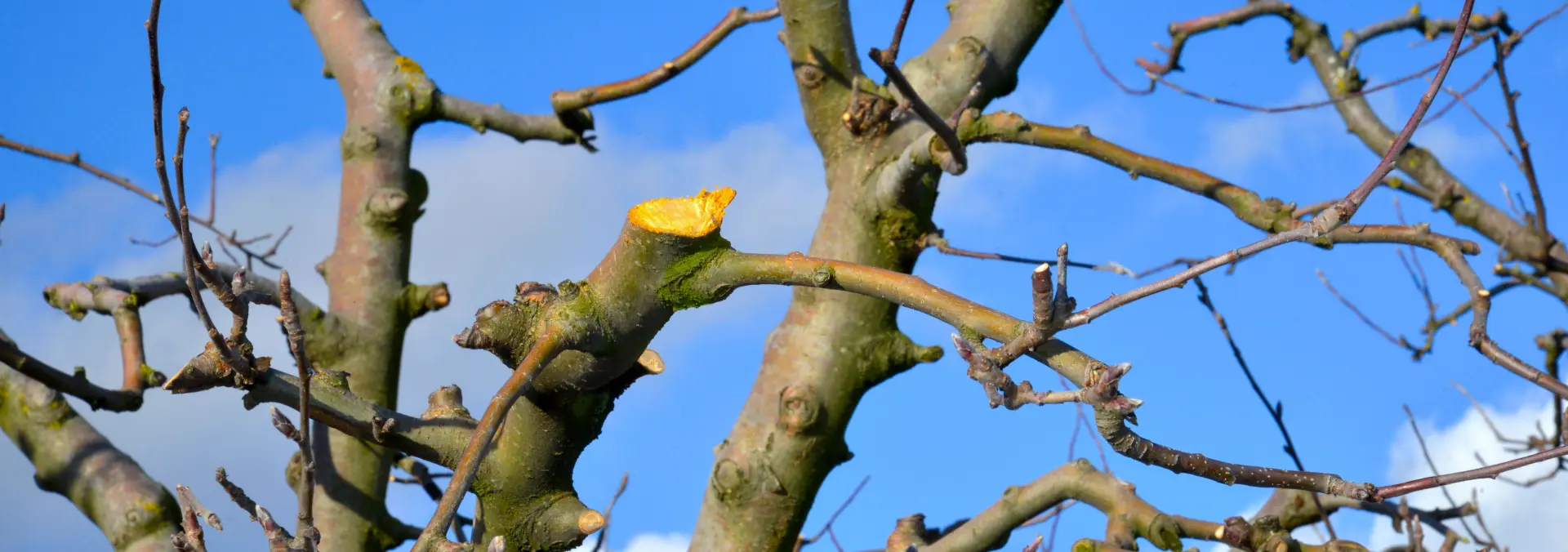
Not every problem means removal. Sometimes careful pruning by a certified arborist restores healthy growth and keeps the tree safe. It is time to remove a tree when:
- The tree is dead or mostly dead. The phrase “tree is dead” is a clear sign it needs to be removed.
- You see major decay in the trunk or at the base of the tree.
- Roots are lifting the ground plate or causing root damage to drains or paths.
- The tree is growing into power lines.
- The tree is in the wrong place for the long term, such as very close to a home or blocking safe access.
If several of these signs are present, it is likely time to remove a tree.
Legal Checks And Your Rights
Before removing, learn the rules in your area. Some trees have protection and need consent. Check for Tree Preservation Orders and conservation areas. You also have duties if the tree sits on a boundary.
Talk to neighbours if branches grow over the fence or roots grow under the ground on to their land. Keep notes and photos of damage and any agreements in place. Some councils publish guides about “rights reserved”, ownership and duty of care. If you are unsure, contact your council or a professional for advice on your rights.
Storm Damage And Emergencies
After a storm, inspect trees for fresh splits, hanging branches, torn bark and a lifted root plate. If the tree leans to one side more than before, or if you see cracking sounds or movement at the base, it may be dangerous. In these times it is safer to call a professional tree service with the right equipment and experience. They can remove your tree or make it safe.
When To Prune And When To Remove
When a tree is removed, think about the stump. Options include:
- Stump grinding to below ground level so you can replant or turf.
- Leaving a wildlife stump in a safe place, away from paths and play areas.
Watch for new shoots that grow from the stump. These may need to be removed during the year to stop regrowth.
Choosing A Professional
Tree work can be dangerous. Hire a qualified, insured, certified arborist. Many certified arborists belong to professional bodies and can show proof of training. Ask for:
- A clear quote for removal, pruning or other service.
- A plan for waste, logs and chips.
- Proof of insurance and safety checks.
Using professionals means safer work, less risk of injury, and less chance of damage to your property and landscape.
Costs And What Affects Price
The cost to remove your tree will depend on:
- Tree size and height. Large trees take more time.
- Location and access. A tight yard or over a glass room needs more care.
- Hazards like power lines or a busy road.
- Waste handling and stump grinding.
- How many branches and how much dead wood need to be removed.
- Get more than one quote so you can find fair value from experts.
Replanting And Long-Term Tree Care
After removal, plan for new growth. Choose the right tree for the space so it can grow healthy for years without causing damage. Think about the mature size, roots and crown spread. Keep new trees away from drains, walls and the home. Good tree care, with light pruning at the right time, helps avoid future problems.
Quick Checklist: Is It Time To Remove Your Tree?
- The tree is dead or has many dead branches in the crown.
- Major decay in the trunk, hollow sections or large open wounds.
- Fungi growing at the base and heaving ground.
- Leaning to one side with fresh cracks or movement.
- Root damage to drives, paths or drains.
- Growing into power lines or too close to buildings.
- Repeated failure after pruning and ongoing poor health.
If you tick several boxes, it may be time to remove your tree. In many cases the tree include warning signs that certified arborists can spot quickly.
Frequently Asked Questions
About When Do I Need Tree Removal
Find out more about 'When Do I Need Tree Removal' from our frequently asked questions.
Sometimes you need council consent. Check first. If protected, it may still need to be removed if it is a hazard. A certified arborist can guide you.
If you see major defects, if the tree is near power lines, or if removal needs climbing or rigging, contact a professional tree service at once.
Asymmetry can show hidden problems. If one side has fewer branches, or there is a heavy lean, get an inspection.
If a tree is too close to the house or blocking safe access, it may need to be removed and replanted in a better location.
The owner is often responsible. Keep records of regular care and any advice from experts to show you acted to keep things safe.
When Do I Need Tree Removal: Final Advice
Removing a tree is a big decision. Learn the signs, stay safe, and get help when needed. If your tree is dead, badly damaged or a clear hazard, it needs to be removed. If in doubt, ask a certified arborist to assess the tree and explain the options to keep your property, people and nearby trees safe.
Are you looking for a professional tree removal in Aberdeenshire? We offer a full range of tree maintenance services for Dundee, Forfar, Angus and the surrounding areas. Call to find out more.