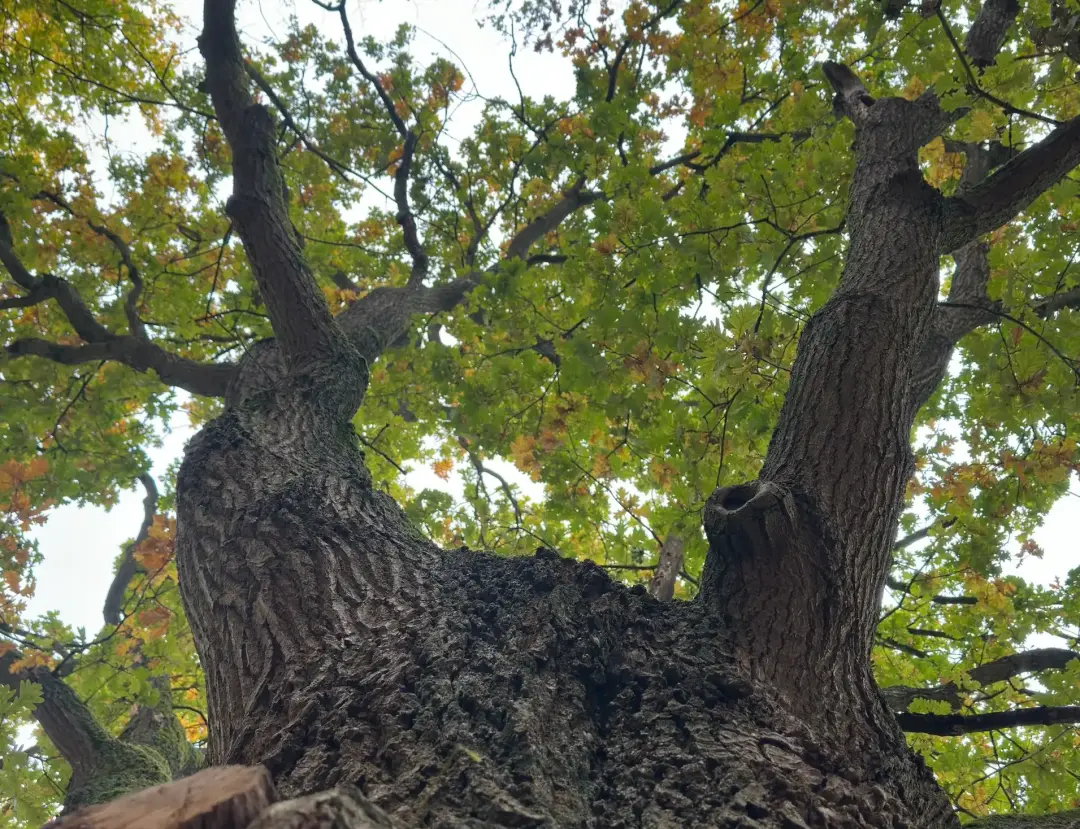
What Is Crown Reduction?
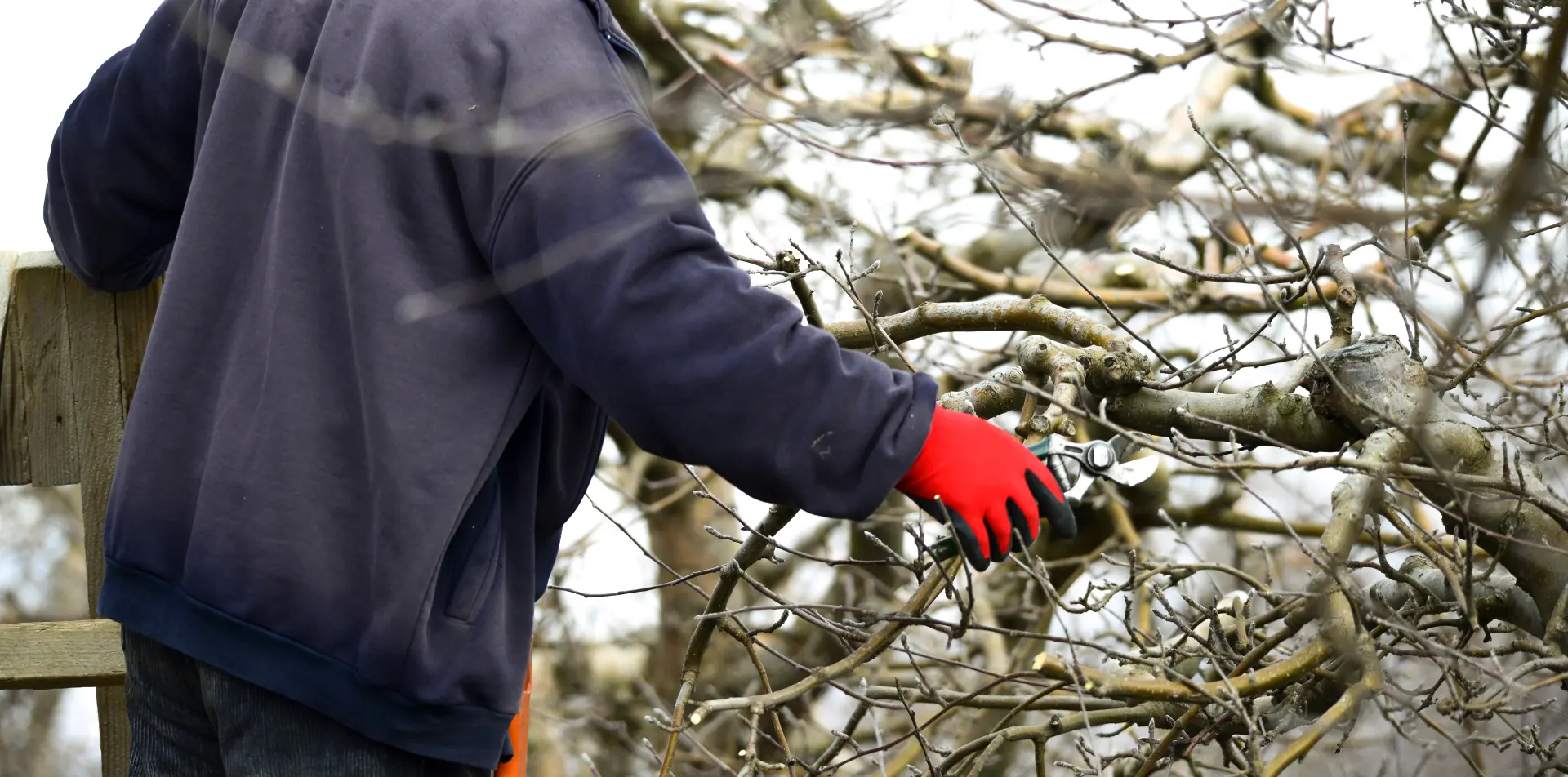
Crown reduction is the careful shortening of selected branches throughout the outer canopy of a tree. It reduces the tree’s overall height, spread or both. The cuts are made back to suitable side branches that can continue the natural growth of each shortened limb.
The aim is not to cut every branch to the same length. Instead, the final outline should follow the tree’s normal shape. A well-reduced crown looks balanced and retains a good spread of healthy leaves. The amount removed is normally described as a percentage or by the approximate length of the reduction.
Crown reduction may be used to reduce pressure on weak branches, limit contact with buildings or improve the balance of an uneven canopy. It can also help manage trees that have become too large for their position. The reason for the work should always be clear before cutting begins.
This type of pruning is different from general trimming. It requires an understanding of branch structure, growth points and the tree’s likely response. Removing too much at once can place the tree under severe stress, so the reduction must suit the species, age and condition of the tree.
How Crown Reduction Differs from Tree Topping
Tree topping involves cutting large branches back to stubs or to points that are too small to support normal growth. It often removes a large part of the canopy in one operation. The result is usually a flat, harsh or uneven outline that does not follow the tree’s natural form.
Crown reduction uses smaller, carefully placed cuts. Each shortened branch is taken back to a suitable side branch, which becomes the new growing point. This helps maintain a natural shape and supports a more controlled response from the tree.
Topping can trigger large numbers of fast-growing shoots close to the cuts. These shoots are often weakly attached and may become hazardous as they grow heavier. Large topping wounds also expose more wood to decay and may remain open for many years.
A correctly completed crown reduction is more selective and less damaging. It aims to retain a healthy amount of foliage and a strong branch framework. Although any pruning has an effect on the tree, careful reduction avoids the severe stress and structural problems commonly linked to topping.
Signs That a Tree May Need Crown Reduction
A tree may need crown reduction when branches have become too long or heavy for their attachment points. Warning signs can include low-hanging limbs, repeated branch loss, visible cracks or large branches moving more than expected during windy weather.
An uneven canopy can also create concern. A tree may grow strongly towards open light, away from a building or over a road. This can place more weight on one side of the trunk or on a small number of main branches. Selective reduction may help restore better balance.
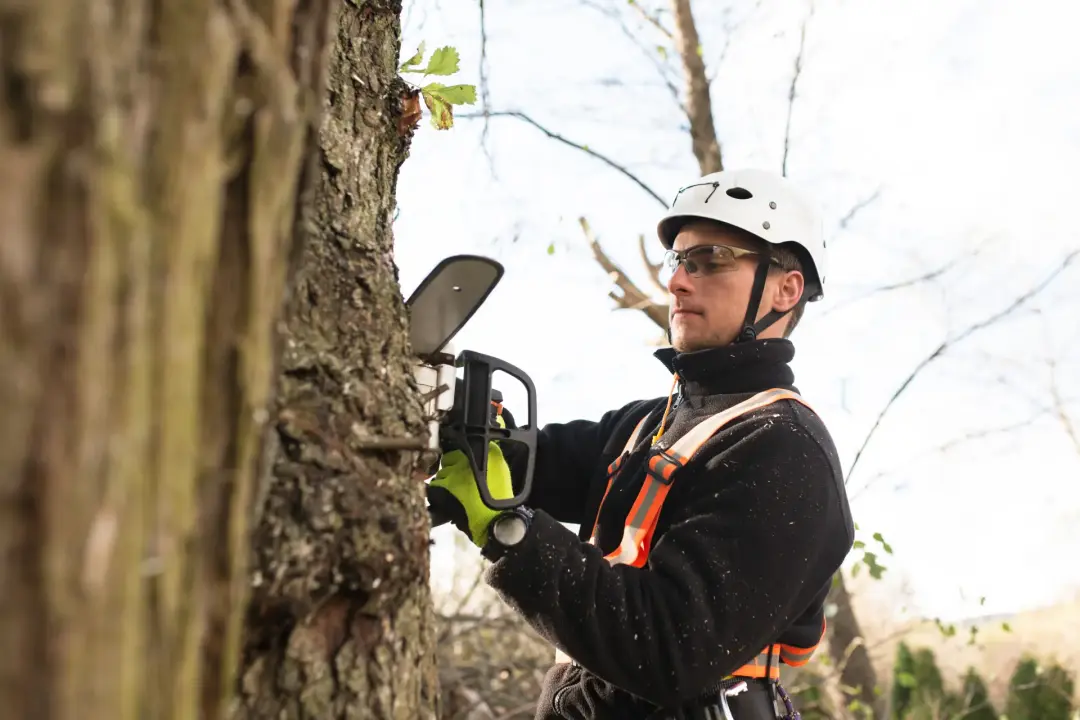
Contact with nearby structures is another common reason. Branches may scrape against roofs, block windows, press against walls or grow towards utility lines. Repeated cutting at the same boundary may produce poor growth, so a planned reduction can sometimes provide a better long-term result.
Size alone does not mean that a tree needs work. Large trees can remain safe and suitable when they have enough space and a strong structure. A proper inspection should identify a clear need, such as risk, damage, poor balance or serious conflict with the surrounding area.
Reducing the Risk of Falling Branches and Wind Damage
Long branches create greater force at their attachment points because their weight extends further from the trunk. When they carry heavy foliage or move in strong wind, this force can place strain on forks, old wounds and weak unions. Shortening selected limbs can reduce that pressure.
A smaller crown also catches less wind. This may be helpful for trees in exposed positions or those with known structural weaknesses. However, the work must be spread evenly. Removing branches from only one area can create new imbalance and direct pressure towards the remaining canopy.
Reduction can be useful after a branch has failed, especially when the loss has left the tree uneven. The remaining side may need careful shortening so that the crown is better balanced. Cuts should focus on reducing load without removing more healthy growth than necessary.
Pruning cannot make every tree safe. A tree with major decay, severe root damage or a split trunk may still be at risk after reduction. In such cases, further work or removal may be needed. Crown reduction is most effective when it is part of a wider plan based on the tree’s condition.
Managing Trees That Have Outgrown Their Space
Trees are often planted when they are small, without enough thought about their mature height and spread. Over time, branches may extend across gardens, footpaths, roads or neighbouring land. The canopy may also reduce light or limit access around buildings.
Crown reduction can help a tree fit more comfortably within a restricted space. It may reduce overhang, improve clearance and make future growth easier to manage. The tree should still be left with a balanced canopy rather than being cut sharply along a boundary.
The amount of reduction must be realistic. A naturally large tree cannot always be kept permanently small without repeated pruning. Frequent heavy work may weaken it and lead to dense regrowth. In some locations, replacing an unsuitable tree with a smaller species may provide a better long-term answer.
Where reduction is appropriate, future maintenance should be planned from the start. Smaller, regular reductions are often less stressful than waiting for the tree to become very large again. The timing and frequency will depend on growth rate, species, condition and available space.
Protecting Buildings, Roads and Nearby Structures
Branches growing close to a building can block gutters, scrape roofing materials and damage windows during windy weather. They may also restrict access for repairs or reduce light inside nearby rooms. Crown reduction can create useful clearance while retaining the tree.
Trees beside roads and paths may need work when branches reduce visibility, interfere with signs or hang too low over traffic. Clearance must be planned carefully so that the tree remains balanced. Removing only the lowest or roadside growth can place too much weight on the opposite side.
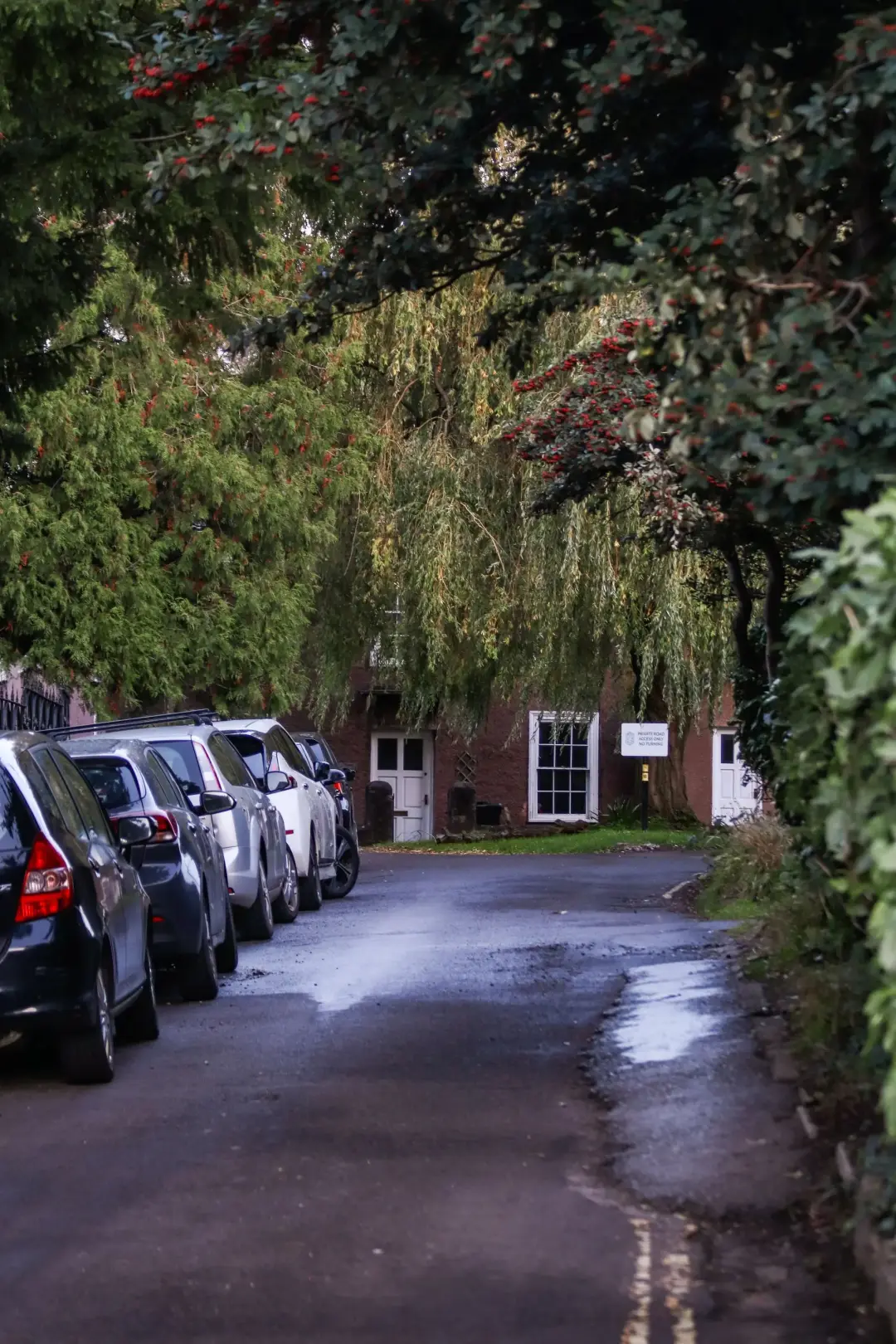
Structures such as walls, sheds and fences can also be affected by falling branches. Reduction may lower the chance of contact by shortening overextended limbs. However, root-related damage is a separate issue and will not usually be solved by pruning the crown.
The desired clearance should allow for future growth. Cutting a branch so that it only just clears a roof may lead to the same problem within one season. A professional can choose suitable pruning points that provide space without creating large wounds or an unnatural shape.
Improving the Shape, Balance and Health of a Tree
Crown reduction can improve the shape of a tree when growth has become uneven. This may happen after storm damage, poor past pruning or competition for light. Selective cuts can shorten dominant areas and help the crown appear more balanced.
Better balance can also improve the way weight is spread through the branch framework. Overextended limbs may be shortened, while strong inner growth is retained. This can reduce strain on weak unions and help the tree respond more evenly to wind.
Reduction does not automatically improve health. Leaves produce the energy that supports growth, defence and repair, so removing too many can weaken the tree. The work benefits health only when it deals with a clear problem and retains enough active foliage.
The best results often combine crown reduction with the removal of dead, broken or crossing branches. Each cut should have a purpose. Pruning simply to make a tree look smaller can lead to unnecessary damage if the tree is already healthy, safe and suitable for its location.
Which Trees Are Suitable for Crown Reduction?
Many broad-leaved trees can respond well to moderate crown reduction when they are healthy and actively growing. Suitability depends on the species, age, branch structure and amount of foliage that will remain after the work.
Younger and middle-aged trees often recover more effectively because they can form new growth and close smaller wounds more quickly. Mature trees may still be reduced, but the work is usually more limited. Large cuts on old trees can take a long time to close and may increase the risk of decay.
Some species produce vigorous new shoots after pruning. This can be helpful when managed correctly, but it may also create dense growth that needs future attention. Other species do not respond well to heavy cutting and may suffer dieback, infection or poor regrowth.
The tree’s existing condition is just as important as its species. A healthy tree with sound roots and good branch attachments is more likely to cope well. A tree already under stress from drought, disease, root damage or severe decay may not have enough energy to recover.
When Crown Reduction Should Be Avoided
Crown reduction should be avoided when there is no clear reason for the work. Pruning a healthy tree simply because it appears large can remove valuable leaf cover and create future maintenance needs. Size should be considered in relation to space and risk, not judged on its own.
Heavy reduction should also be avoided on weak, recently planted or severely stressed trees. These trees need their leaves to produce energy and establish healthy roots. Removing a large part of the crown may slow recovery or cause further decline.
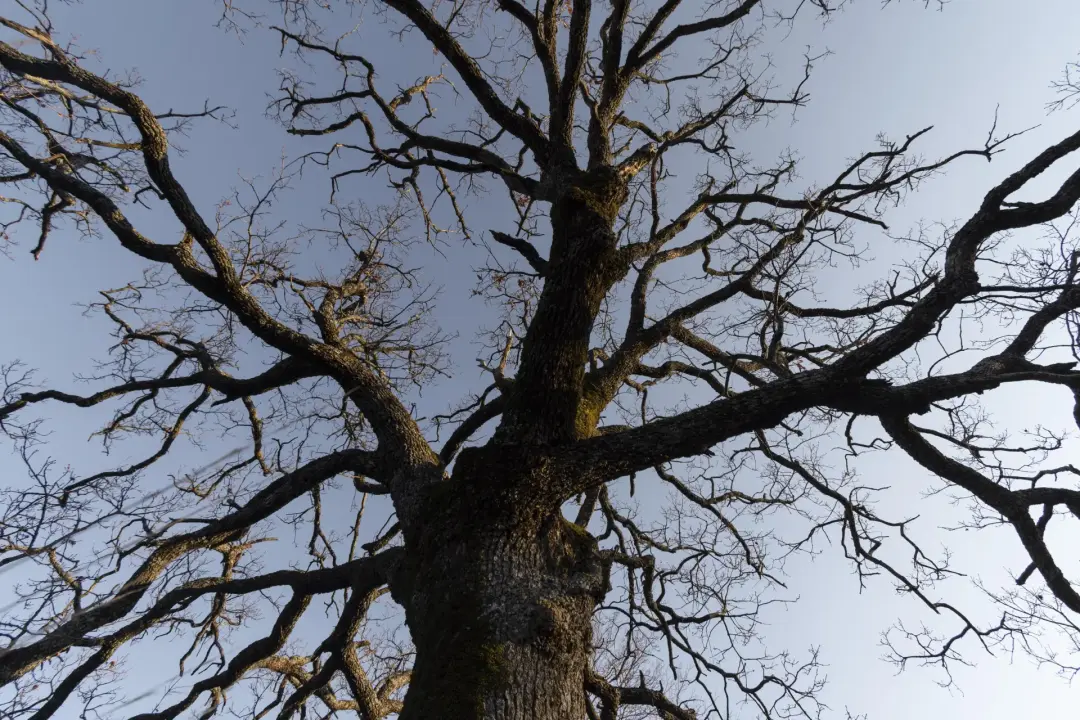
Reduction may not be suitable when the main problem lies in the roots or trunk. A tree with major root movement, advanced basal decay or a dangerous split may remain unsafe even after its canopy is made smaller. Another form of management may be required.
The work should not be used to correct every conflict with buildings or boundaries. Where the required reduction would remove most of the canopy, the result may be harmful and short-lived. It may be better to accept a smaller clearance, change the surrounding layout or consider replacement.
What Happens During the Crown Reduction Process?
The process begins with an inspection. The tree’s condition, shape, surroundings and branch structure are assessed. The required reduction is then agreed, usually by describing the expected change in height and spread or the percentage of the crown to be removed.
The work normally starts with dead, damaged or unsafe branches. Selected outer branches are then shortened to suitable side growth. Cuts are spread across the canopy so that the tree remains balanced and enough foliage is retained.
The final shape should follow the tree’s natural outline. Branches should not be left as blunt stubs, and large cuts should be avoided where smaller ones can achieve the same result. The workers must also protect nearby property and control falling material safely.
After the work, the tree should be checked from several angles. The crown should appear even, with no section reduced much more heavily than another unless the plan requires it. Waste material is then removed or processed, and any future care needs should be explained.
The Best Time of Year for Crown Reduction
The best time depends on the tree species, its condition and the reason for pruning. Many trees can be reduced while dormant, when there are fewer leaves and the branch structure is easier to see. Dormant pruning can also reduce disturbance to active growth.
Some species are better pruned during particular periods because they may release large amounts of sap or become open to certain diseases at other times. Local conditions and current tree health should therefore guide the timing rather than relying on one rule for every species.
Emergency work may be needed at any time of year when a branch is cracked, hanging or likely to fall. Safety takes priority in these cases. The work may be limited to removing the immediate hazard, with further planned pruning carried out later.
Wildlife must also be considered. Active bird nests and protected species must not be disturbed. Before work begins, the tree should be checked for nesting activity, roosting places and other signs of wildlife that may affect how or when the job can proceed.
How to Care for a Tree After Crown Reduction
After reduction, the tree needs time and suitable conditions to recover. Water may be helpful during dry weather, especially if the tree is young or has already been under stress. Watering should be slow and deep enough to reach the active root area.
A layer of mulch can help retain moisture, reduce competition and protect the soil. It should be spread over the root area without being piled against the trunk. Deep mulch around the stem can trap moisture and encourage decay.
Fresh cuts should usually be left uncovered. Paints and wound sealants are rarely needed because trees respond by forming protective tissue around the cut. Poorly applied coverings may trap moisture or hide signs of decay.
The tree should be checked during the following growing seasons. Look for healthy leaf development, excessive shoots, dead tips or changes around the cuts. Some regrowth may need light future pruning, but this should be delayed until the tree’s response can be properly assessed.
Why Crown Reduction Should Be Carried Out by a Professional
Crown reduction involves more than cutting branches to make a tree smaller. Each cut affects weight, growth and future structure. A trained professional can identify suitable pruning points and judge how much foliage the tree can safely lose.
Working at height also presents serious risks. Large branches can swing, split or fall in unexpected directions. Professional workers use suitable climbing methods, lowering equipment and safety controls to protect people, buildings and the tree itself.
Poor reduction may leave stubs, torn bark and large open wounds. It can also produce an uneven crown or trigger dense, weak regrowth. Correcting this damage later may require repeated work and can never fully restore the original structure.
A professional can provide a clear reason for the work, explain the expected result and advise on future care. They can also check for planning controls, protected status or wildlife concerns before work starts. This helps ensure that the reduction is safe, lawful and suitable for the tree.
Are you looking for a professional tree surgeon in Aberdeenshire? We offer a full range of tree maintenance services for Dundee, Forfar, Angus and the surrounding areas. Call to find out more.