What Is the Difference Between a Dead Tree and a Diseased Tree?
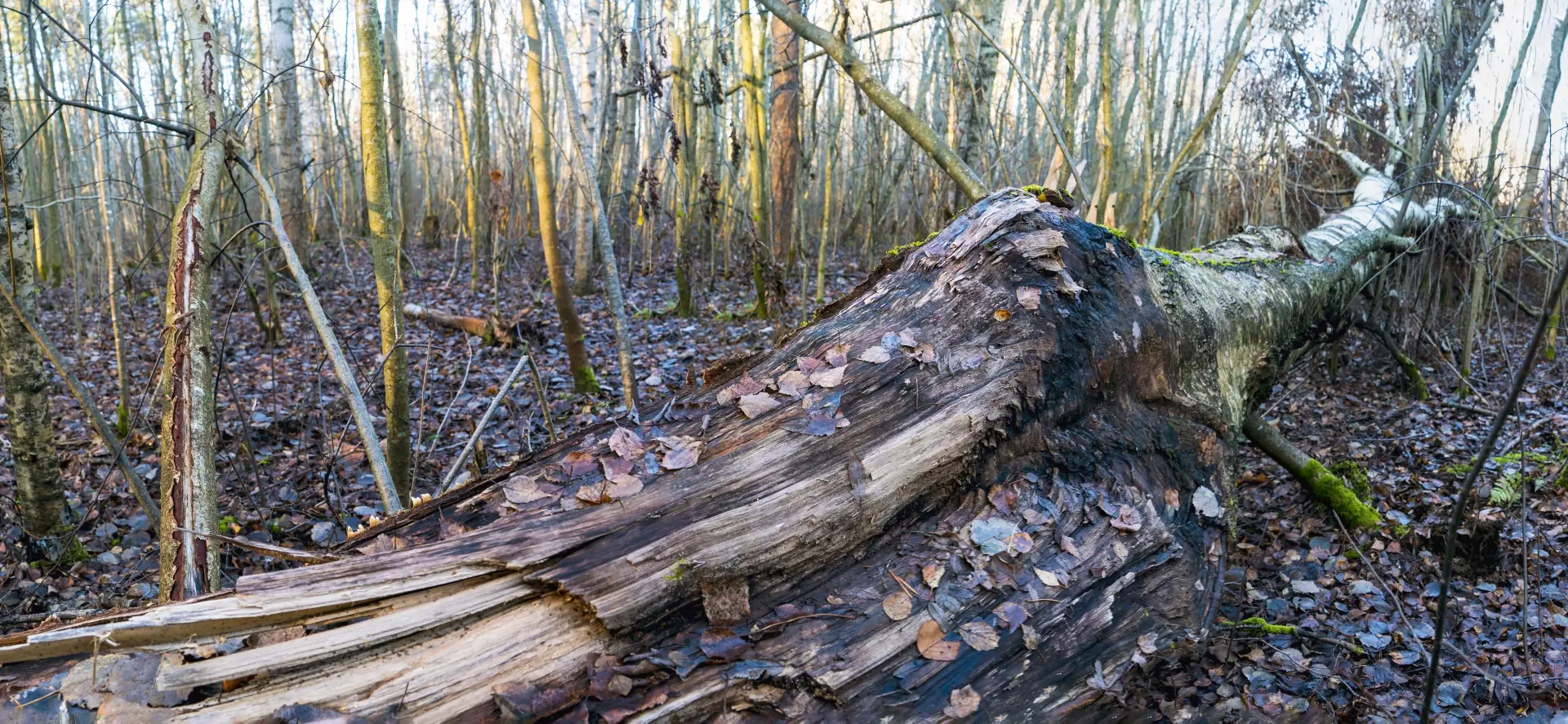
A dead tree is no longer living. Its roots cannot take in water, its tissues no longer transport nutrients, and it cannot produce healthy new growth. A dead tree will usually lose its leaves, stop forming buds and develop dry, brittle branches. However, death may not happen evenly. Some sections can fail before others, so a tree may still have a small amount of growth while most of its structure is already dead.
A diseased tree is still alive but is being harmed by an infection, pest, environmental problem or combination of causes. Disease may affect the leaves, bark, branches, trunk or roots. A diseased tree may continue to grow, although its growth may be weak, uneven or discoloured. Some diseases progress slowly, while others can cause rapid decline within a single growing season.
The difference is important because a diseased tree may be treatable. Pruning infected branches, improving soil conditions, correcting watering problems or controlling certain pests may help it recover. A dead tree cannot be restored. Once the living tissues have died, treatment will not make the tree grow again.
It is not always easy to tell the difference without a close inspection. Drought, seasonal leaf loss and transplant stress can make a living tree look dead for a time. Equally, a tree with green leaves can still have serious internal decay. A professional assessment considers the whole tree, including its roots, trunk strength, branch structure and recent growth.
Common Signs of a Dead or Diseased Tree
One of the clearest warning signs is a major change in the tree’s normal growth. A tree may produce fewer leaves than usual, develop leaves only on one side or lose its leaves much earlier than similar trees nearby. A lack of buds during the growing season can also suggest that branches or larger parts of the tree have died.
Dead branches often look dry, pale and brittle. They may have no flexible twigs, living buds or healthy bark. Small dead branches can fall without warning, while larger dead limbs may remain attached for months before breaking. This risk often increases during strong winds, heavy rain, frost or snow.
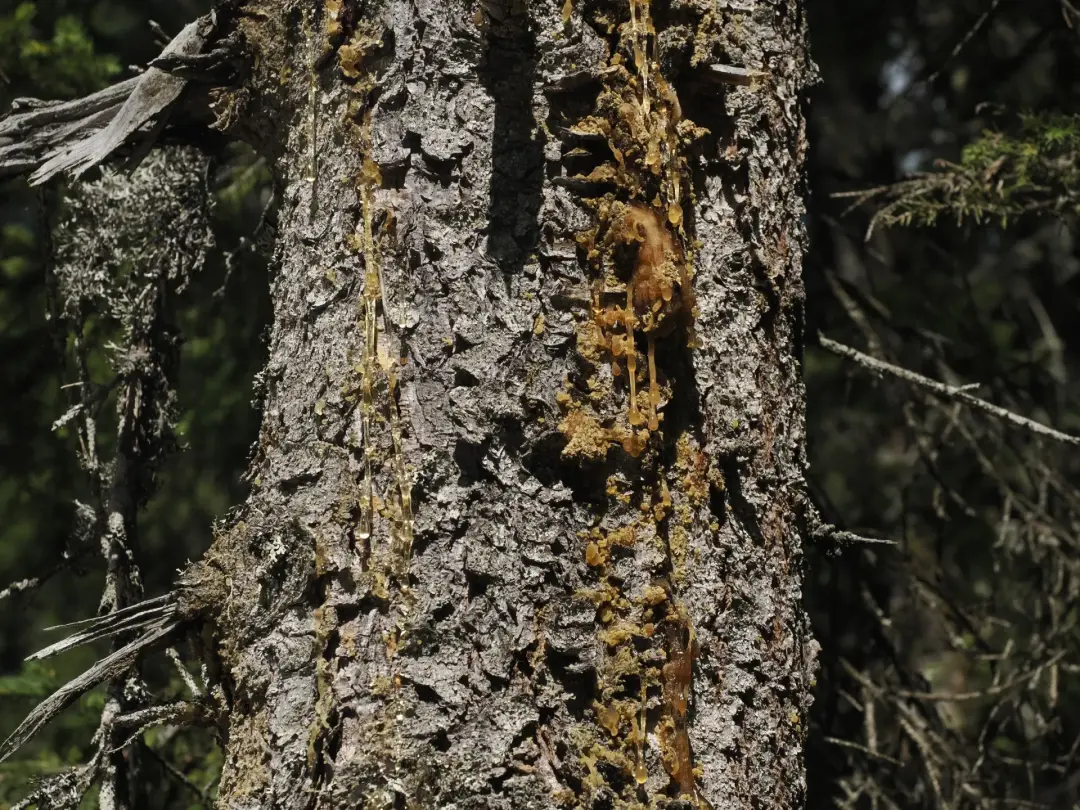
A diseased tree may show patches of discoloured foliage, sunken bark, sticky fluid, peeling areas or unusual swellings. Its canopy may become thin, and new shoots may be shorter than normal. Some trees respond to stress by producing many weak shoots from the trunk or base. This growth can show that the main crown or root system is struggling.
The area around the tree can also provide useful clues. Fallen bark, fresh cracks, loose branches, mushrooms near the roots or disturbed soil around the base should not be ignored. No single sign always proves that a tree is dangerous, but several warning signs together can point to serious decline and the need for an inspection.
What Changes in Leaves, Bark and Branches May Mean
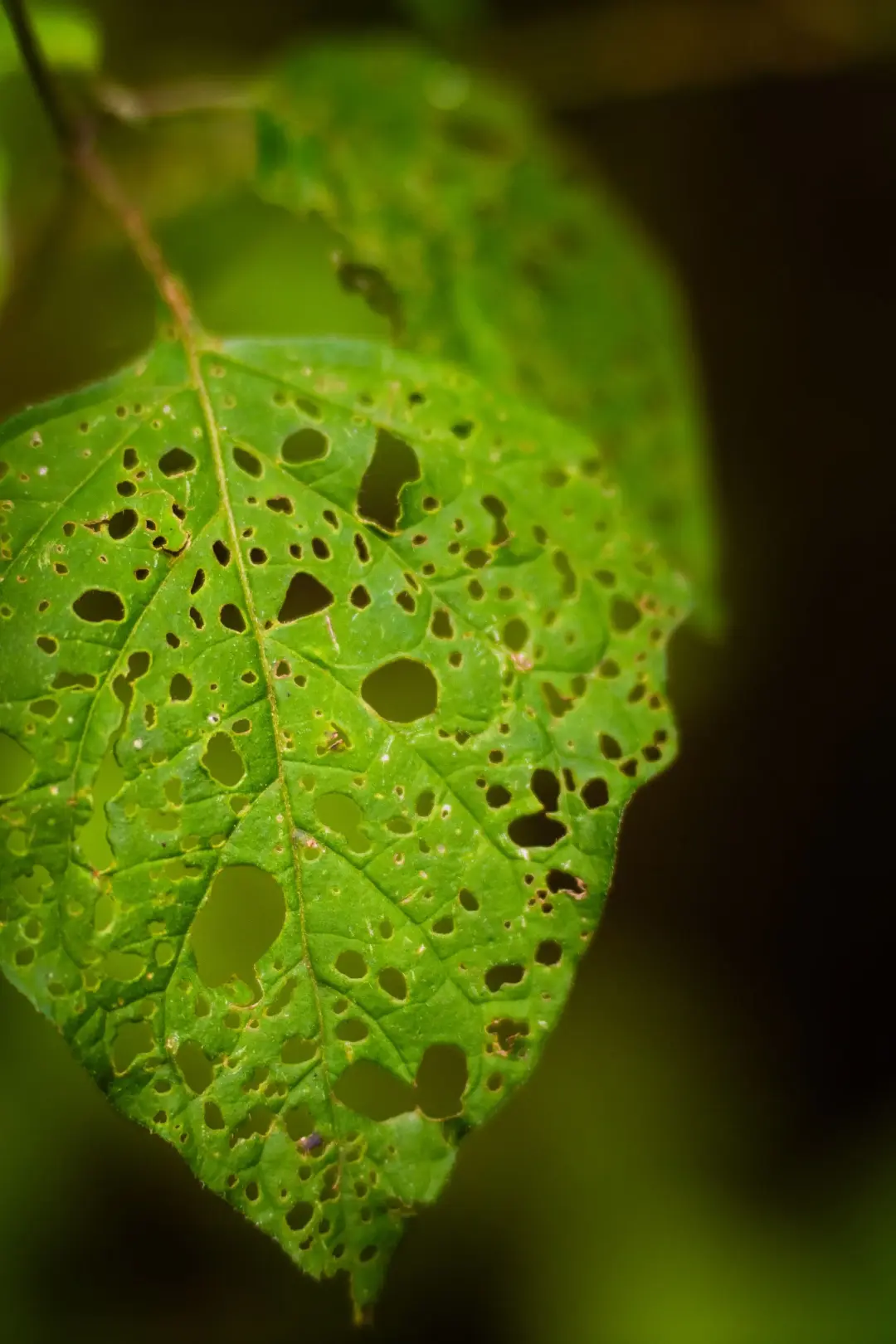
Leaves often show the first visible signs of poor health. Yellowing, browning, curling, spotting or early leaf fall may be linked to disease, pest damage, drought, poor drainage or a lack of nutrients. Leaves that are unusually small can also show that the tree is not receiving enough water or energy to support normal growth.
The pattern of damage matters. If the whole crown is affected, the cause may involve the roots, soil or water supply. If only one branch or one side is affected, there may be a local infection, damaged root or broken connection within the tree. A sudden change is usually more concerning than a gradual seasonal change.
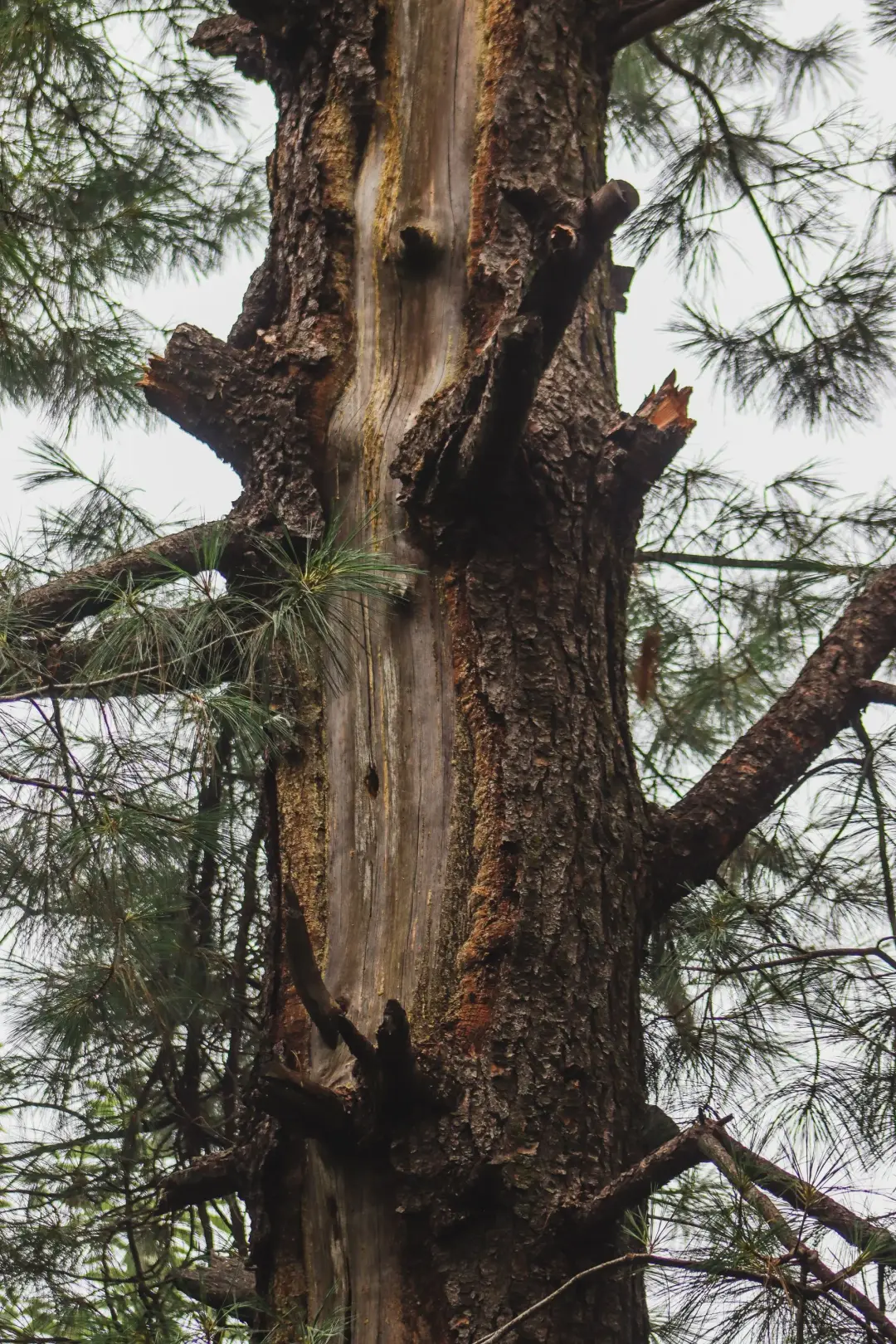
Healthy bark protects the living tissues underneath. Cracked, loose, sunken or missing bark can leave the tree open to moisture, insects and infection. Dark stains, leaking fluid and soft areas may suggest that decay is developing beneath the surface. Long vertical splits can also form after frost, heat damage or sudden movement.
Branches should have a balanced shape and secure attachments. Dead tips, broken limbs, crossing branches and weak forks can increase the risk of failure. Branches that hang lower than usual may have become cracked or overloaded. Any rapid change in branch position, especially after severe weather, should be examined from a safe distance.
Signs of Fungal Growth, Decay and Root Damage
Mushrooms, brackets and other fungal growth can be important signs of decay. They may appear on the trunk, around old wounds, at branch joints or near the base. The visible fungus is often only the fruiting part of a much larger organism living inside the wood or roots. Its presence may mean that structural tissues are being broken down.
Not every fungus makes a tree immediately unsafe. Some fungi live on dead outer material without seriously weakening the main structure. Others can cause extensive internal decay while leaving the outside of the tree looking mostly normal. The type, location and amount of growth must therefore be assessed carefully.
Decay may also appear as soft wood, crumbling fibres, hollow sounds, dark staining or cavities. Wood that can be easily pressed or pulled apart has lost strength. Decay around the base or main branch unions is particularly serious because these areas carry a large part of the tree’s weight.
Root damage is often harder to see. Warning signs include lifting soil, exposed damaged roots, fungal growth near the base, sudden leaning and decline in the crown. Roots may be harmed by digging, paving, soil compaction, waterlogging or changes in ground level. Because roots support the whole tree, major damage can create a risk of complete failure.
Why Cracks, Cavities and Leaning Trees Can Be Dangerous
Cracks show that wood fibres have started to separate. They may form in the trunk, between large branches or along an old wound. Some cracks remain stable for long periods, but others widen as the tree moves in the wind. A fresh crack with exposed pale wood is usually more urgent than an old, sealed split.
Cavities form when damaged or infected wood decays and breaks away. A tree can sometimes continue to grow around a hollow area by forming strong new wood on the outside. However, a large cavity can reduce the amount of sound wood supporting the trunk or branch. Its position and depth are more important than its appearance alone.
A leaning tree is not always unsafe. Many trees grow at an angle because of light, slope or surrounding competition. A long-standing lean may be supported by a well-developed root system. Concern increases when the lean appears suddenly, becomes more severe or is accompanied by lifted soil, cracked ground or exposed roots.
These problems become more dangerous when they are close to a home, road, footpath, play area or parking space. A defect that presents little risk in an open field may be unacceptable in a busy area. The likely direction of failure, size of the affected section and condition of the remaining wood all need to be considered.
Common Causes of Tree Disease and Decline
Tree decline often begins with environmental stress rather than a single infection. Long dry periods can limit water supplies, while waterlogged soil can prevent roots from receiving enough air. Repeated stress weakens natural defences and makes the tree more open to insects, fungi and other harmful organisms.
Poor planting can cause problems that appear many years later. Trees planted too deeply may develop weak roots or decay around the buried stem. Restricted planting spaces can prevent roots from spreading properly. Circling roots may tighten around the trunk and reduce the movement of water and nutrients.
Physical damage is another common cause. Lawn equipment, vehicles, building work, digging and careless pruning can injure bark, roots and branches. These wounds may interrupt the flow of nutrients or create an entry point for decay. Soil compaction from heavy use can also reduce the spaces needed for air and water.
Pests and diseases may spread through insects, infected tools, fallen material, nearby trees or natural movement through the soil. Some affect a single species, while others attack many types of tree. The correct cause must be identified before treatment begins, as the wrong action can waste time or make the problem worse.
The Risks of Leaving a Damaged Tree Untreated
A damaged tree may continue to weaken even when the visible problem appears small. Cracks can spread, decay can move into sound wood and dead branches can become increasingly brittle. Delaying action may reduce the number of safe treatment options available later.
Falling branches are one of the most immediate risks. They can damage roofs, fences, vehicles, utility lines and garden structures. Even a smaller branch can cause serious injury when it falls from height. Large limbs may fail, even in calm weather, if decay or hidden cracking has already reduced their strength.
An unstable tree can also affect nearby plants and property. Infected material may spread disease to other suitable trees. Damaged roots can disturb paving, while a failing trunk may strike several areas as it falls. Emergency work after failure is often more difficult and disruptive than planned work carried out in advance.
There may also be legal, financial and insurance concerns when an obvious hazard is ignored. Tree owners are generally expected to take reasonable care when a tree could affect other people or property. Keeping inspection records and responding to clear warning signs can show that the tree has been managed responsibly.
When a Tree Can Be Treated or Saved
A tree may be saved when the main trunk, root system and branch structure remain strong enough to support recovery. Early action gives the best chance of success. Treatment is more likely to work when damage is limited to a small area and the cause can be removed or controlled.
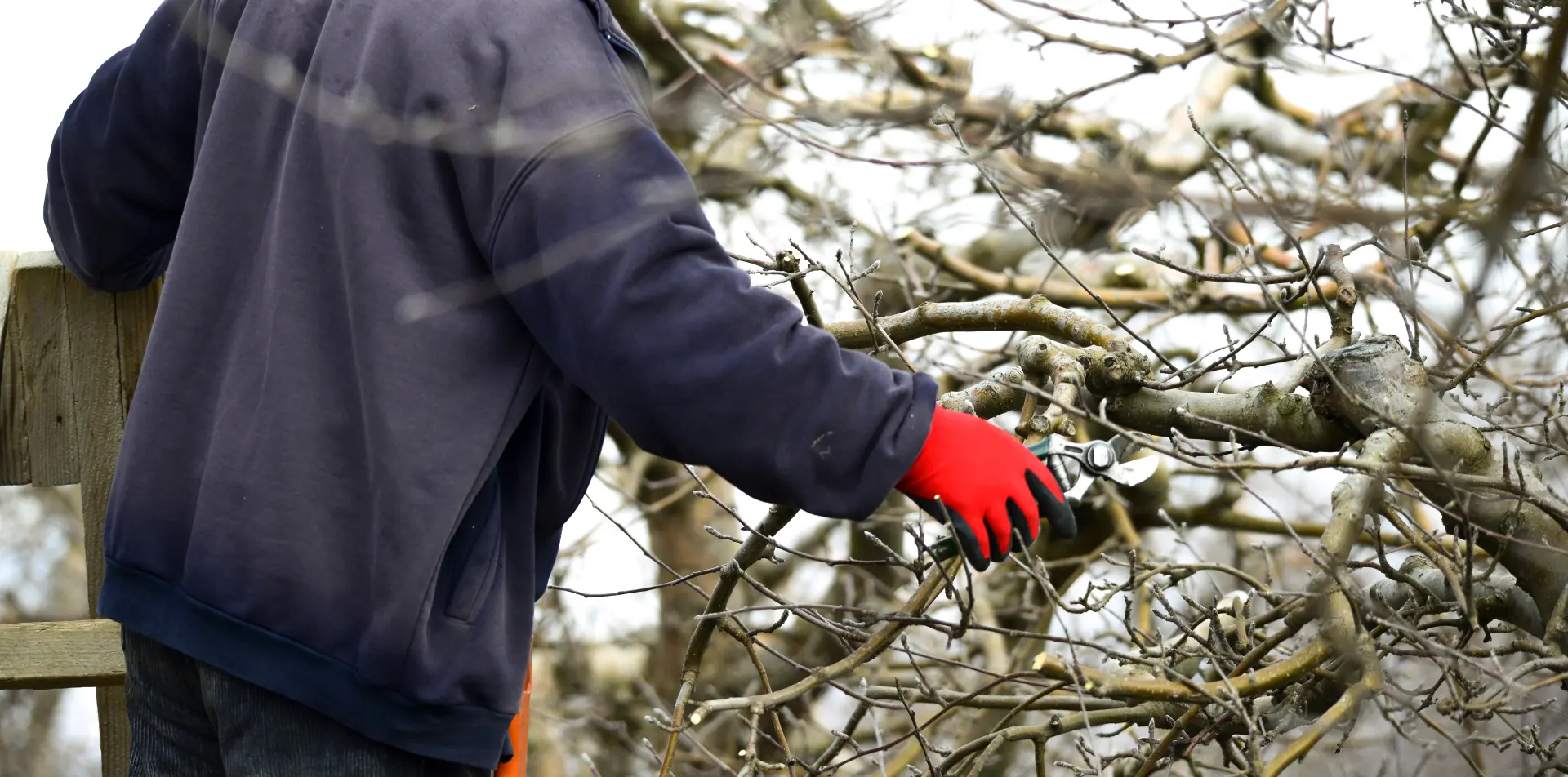
Corrective pruning may remove dead, broken or infected branches while keeping a healthy crown. Cuts should be made at suitable points so the tree can close the wound naturally. Excessive pruning should be avoided, as removing too much leaf area can reduce the energy available for recovery.
Improving the growing conditions can also make a major difference. Mulching, careful watering, reducing soil compaction and protecting the root area from traffic may help a stressed tree regain strength. Drainage problems, buried stems and damaging ground changes may also need attention.
Some diseases and pests can be managed but not fully removed. In these cases, the aim may be to slow the decline, keep the tree safe and extend its useful life. Regular checks are then needed to confirm that the treatment remains effective and that the level of risk has not increased.
When Tree Removal May Be Necessary
Removal may be necessary when a tree is dead, severely decayed or unable to support its own weight. A tree with major root failure, a deeply split trunk or several unstable main branches may present a level of danger that cannot be reduced through pruning alone.
The tree’s location strongly affects the decision. A failing tree beside a home, road, school or public path may need urgent action. The same tree in a quiet woodland area may be retained for wildlife if it can fall without harming anyone. Risk depends on both the defect and what could be struck.
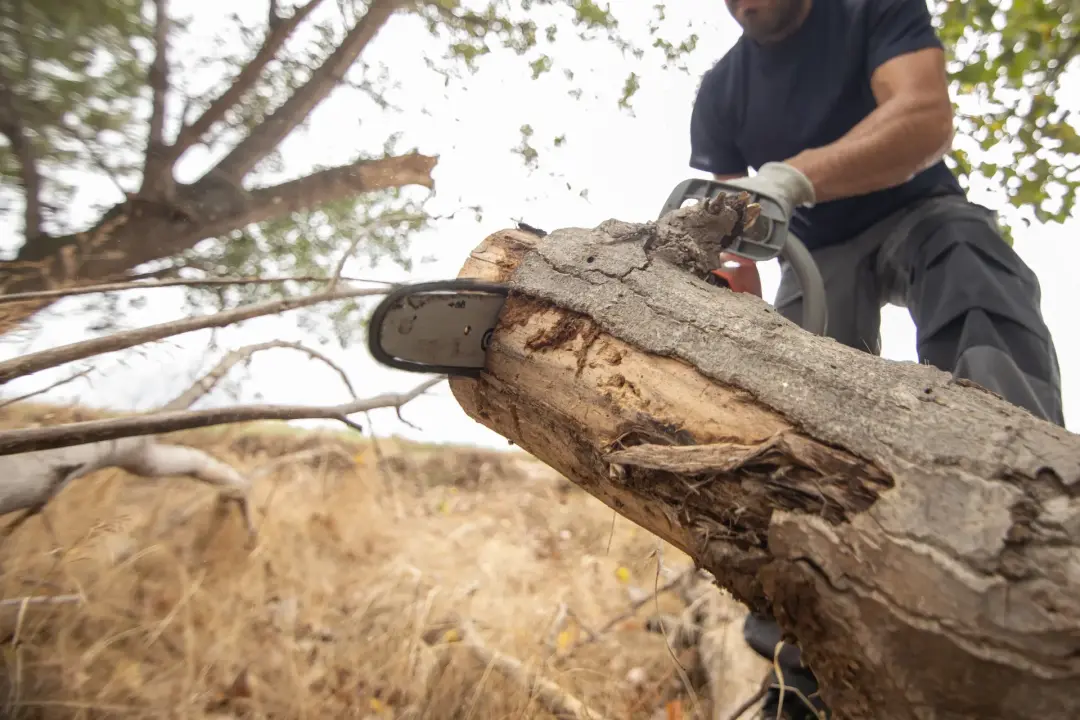
Removal may also be advised when disease is likely to spread to other valuable trees. In some cases, infected branches can be removed. In others, the whole tree and affected material may need to be taken away or handled under specific controls.
A recommendation for removal should be based on clear evidence, not simply on age, size or appearance. Mature trees provide shade, habitat and visual value, so they should not be removed without good reason. A professional can explain the defects, possible alternatives and expected risks of keeping the tree.
Why a Professional Tree Inspection Matters
A professional inspection looks beyond the most visible symptoms. The inspector studies the crown, branch attachments, trunk, base, roots and surrounding ground. They also consider the tree species, age, location, recent weather and any changes to the site.
Experienced inspectors can recognise patterns that may be missed by someone without tree knowledge. For example, a small fungal growth may point to extensive root decay, while a large cavity may still be surrounded by enough strong wood. Accurate judgement depends on understanding how trees grow and respond to damage.
Additional checks may be recommended when the condition cannot be confirmed visually. These may include careful sounding, decay testing or examination of the root area. Such methods should be used only when they provide useful information and do not cause unnecessary harm.
A written report can record the findings, level of concern and recommended action. This is useful for planning work, setting inspection dates and showing that reasonable care has been taken. It also helps ensure that pruning or removal is based on the tree’s actual condition rather than guesswork.
How Regular Tree Care Can Prevent Future Problems
Regular care begins with simple observation. Checking trees several times a year makes it easier to notice changes in leaf cover, branch position, bark condition and ground movement. Checks should also follow storms, building work and unusually dry or wet periods.
Good pruning can remove weak, damaged or badly placed branches before they become larger hazards. Young trees benefit from early structural pruning, which helps them develop a balanced shape and strong branch attachments. This can reduce the need for major work later.
Protecting the root area is equally important. Heavy vehicles, stored materials, deep digging and new paving can all damage roots or compact the soil. Keeping a clear, mulched area around the tree can improve moisture levels, reduce competition and protect the base from machinery.
A planned inspection schedule allows small concerns to be managed before they become serious. The correct schedule will depend on the tree’s age, condition, species and location. Trees in busy or high-risk areas may need more frequent checks than those growing in open spaces.
Lorem Ipsum is simply dummy text of the printing and typesetting industry. Lorem Ipsum has been the industry"s standard dummy text ever since the 1500s, when an unknown printer took a galley of type and scrambled it to make a type specimen book.